
Laryngeal surgery refers to any surgical procedure that is performed on the larynx, which is also known as the voice box. The larynx is located in the neck and plays a crucial role in breathing, swallowing, and speaking. 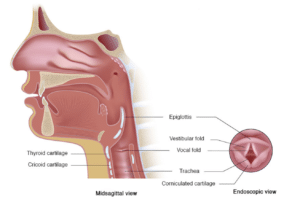
There are several different types of laryngeal surgery, including:
Laryngoscopy: This is a diagnostic procedure that involves inserting a thin, flexible tube with a camera on the end (called a laryngoscope) through the mouth or nose and into the larynx. Laryngoscopy can be used to diagnose conditions such as vocal cord nodules or polyps, vocal cord paralysis, and laryngeal cancer.
Vocal cord surgery: This type of surgery may be necessary to remove polyps or other growths on the vocal cords, or to correct vocal cord paralysis. The surgery may involve removing the polyps or growths using surgical instruments, or injecting a substance into the vocal cords to help them move more effectively.
Laser surgery: Laser surgery may be used to remove small tumors or growths in the larynx, or to treat conditions such as vocal cord paralysis. Laser surgery is often less invasive than traditional surgery and may have a shorter recovery time.
Partial or total laryngectomy: In cases of laryngeal cancer that has spread beyond the larynx, a partial or total laryngectomy may be necessary. This involves removing part or all of the larynx, which can impact breathing and speaking. Patients who undergo a total laryngectomy will need to learn how to speak using alternative methods, such as a voice prosthesis or a tracheoesophageal puncture.
Recovery from laryngeal surgery will depend on the type of procedure and the extent of the surgery required. Patients may experience some discomfort and difficulty speaking or swallowing after the surgery, and will need to follow a strict regimen of voice rest and vocal rehabilitation exercises to promote healing and improve vocal function.
Overall, laryngeal surgery is a complex and specialized area of medicine that requires careful consideration and expertise. Patients who are considering laryngeal surgery should work closely with their healthcare provider to understand the potential risks and benefits of the procedure, and to determine if it is the best course of treatment for their individual needs.
The larynx is a vital part of the respiratory and vocal system, located in the neck, and is responsible for producing sound, protecting the airway during swallowing, and controlling the flow of air to and from the lungs. However, several conditions can affect the larynx, leading to various problems, such as difficulty breathing, speaking, or swallowing. In this article, we will provide an in-depth look at laryngeal surgery, including its indications, types, risks, and benefits.
Indications for Laryngeal Surgery:
Laryngeal surgery is indicated in a variety of medical conditions, including but not limited to:
Laryngeal cancer: A malignant tumor that develops in the tissues of the larynx. Depending on the stage of the cancer, laryngeal surgery may involve partial or total removal of the larynx (laryngectomy).
Vocal cord nodules or polyps: These are benign growths that develop on the vocal cords, often caused by overuse or misuse of the voice. Surgery may be necessary if the nodules or polyps cause severe voice problems that do not respond to other treatments.
Vocal cord paralysis: This condition occurs when the nerves that control the vocal cords are damaged, leading to difficulty speaking or breathing. Laryngeal surgery may be needed to correct the problem.
Trauma: Injury to the larynx due to accidents, falls, or other trauma may require surgical intervention to repair the damage.
Types of Laryngeal Surgery:
There are several types of laryngeal surgery, each with specific indications and techniques, including:
Direct Laryngoscopy: A diagnostic procedure that uses a laryngoscope to visualize the larynx and diagnose various medical conditions.
Microlaryngoscopy: A surgical procedure that involves the removal of small laryngeal growths, such as polyps, through a microscope or specialized endoscope.
Cordotomy: A surgical procedure that divides the vocal cords, often used to treat conditions such as spasmodic dysphonia or vocal tremors.
Laryngectomy: A surgical procedure that involves partial or total removal of the larynx, often used to treat advanced laryngeal cancer. Depending on the extent of the surgery, the patient may need to learn alternative methods of speaking, such as the use of a voice prosthesis or tracheoesophageal puncture.
Risks and Complications:
Laryngeal surgery is generally safe and effective; however, like all surgical procedures, it carries a certain degree of risk. Some of the common risks and complications associated with laryngeal surgery include:
Bleeding: The most common complication of laryngeal surgery is bleeding, which can occur during or after the surgery. In some cases, additional surgery may be needed to stop the bleeding.
Infection: Surgery increases the risk of infection, which can occur at the surgical site or throughout the body. Antibiotics may be prescribed to reduce the risk of infection.
Anesthesia complications: Patients may experience complications related to anesthesia, such as an allergic reaction or adverse effects on the heart or lungs.
Vocal changes: Depending on the extent and type of surgery, patients may experience changes in their voice, including hoarseness or weakness.
Benefits:
Laryngeal surgery offers several benefits, including:
Improved voice quality: Surgery can improve voice quality, especially in cases of benign growths such as polyps or nodules.
Improved breathing: In cases of vocal cord paralysis or trauma, surgery can help restore normal breathing patterns.
Reduced risk of cancer: Laryngectomy, or partial removal
of the larynx, is an effective treatment for advanced laryngeal cancer, reducing the risk of cancer spreading to other parts of the body.
- Improved quality of life: Patients who undergo successful laryngeal surgery can enjoy improved quality of life, with better breathing, speaking, and swallowing function.
Costs:
The cost of laryngeal surgery can vary widely depending on several factors, including the type and extent of surgery required, the experience of the surgeon, and the location of the surgical facility. In the United States, the cost of laryngeal surgery can range from $10,000 to $20,000 or more, depending on the specific procedure and location. However, costs may be covered by insurance, depending on the individual’s plan and coverage.
In other countries, such as India, the cost of laryngeal surgery may be lower, ranging from $2,000 to $6,000 or more, depending on the location and specific procedure required. However, it is important to consider the potential costs of traveling abroad for medical treatment, including travel, lodging, and meals.
Recovery:
Recovery from laryngeal surgery will depend on the type and extent of surgery required. After surgery, patients may need to stay in the hospital for several days or weeks to allow for proper healing and monitoring. During this time, patients will need to follow strict instructions regarding activity, rest, and care of the surgical site.
Patients may experience some discomfort, difficulty speaking or swallowing, or changes in their voice after surgery. To promote healing and improve vocal function, patients may need to undergo speech therapy and voice rehabilitation exercises.
It is important for patients to follow all post-operative instructions carefully, including taking prescribed medications, attending follow-up appointments, and reporting any new or worsening symptoms to their healthcare provider.
Conclusion:
Laryngeal surgery is a complex and specialized area of medicine that offers a range of benefits to patients with various medical conditions affecting the larynx. While surgery carries some risks and potential complications, it is generally safe and effective when performed by an experienced healthcare provider.
Patients considering laryngeal surgery should work closely with their healthcare provider to understand the potential risks and benefits of the procedure, and to determine if it is the best course of treatment for their individual needs. With proper care and support, most patients are able to recover successfully from laryngeal surgery and improve their vocal function and quality of life.
In addition to surgery, patients with laryngeal conditions may also require other forms of treatment, such as radiation therapy or chemotherapy. Adjuvant therapy may be recommended after surgery to help prevent the recurrence of cancer or to manage symptoms. Patients should discuss their options with their healthcare provider and determine the best course of treatment for their individual needs.
In conclusion, laryngeal surgery is a specialized surgical procedure that can help improve breathing, speaking, and swallowing function in patients with a variety of laryngeal conditions. While the surgery carries some risks and potential complications, it is generally safe and effective when performed by an experienced healthcare provider. Patients considering laryngeal surgery should work closely with their healthcare provider to understand the potential risks and benefits of the procedure, and to determine if it is the best course of treatment for their individual needs. With proper care and support, most patients are able to recover successfully from laryngeal surgery and improve their vocal function and quality of life.
Best Location for Laryngeal Surgery
The best location for laryngeal surgery will depend on several factors, including the specific condition being treated, the patient’s overall health and medical history, and the expertise and experience of the healthcare providers performing the surgery. However, there are several countries that are known for providing high-quality laryngeal surgery and have experienced healthcare providers in this area.
The United States is widely regarded as a leader in laryngeal surgery, with many highly skilled healthcare providers and specialized centers that focus on the treatment of laryngeal conditions. Some of the top laryngeal surgery centers in the US include the Mayo Clinic in Rochester, Minnesota, the Massachusetts General Hospital Voice Center in Boston, and the Vanderbilt Voice Center in Nashville, Tennessee.
Other countries, such as Germany, Japan, Turkey and the United Kingdom, also have highly skilled healthcare providers and specialized centers that offer advanced laryngeal surgery. In addition, some countries, such as India and Thailand, offer high-quality laryngeal surgery at a lower cost than in many other countries.
When considering the best location for laryngeal surgery, patients should take into account factors such as the healthcare provider’s expertise and experience, the availability of specialized equipment and technology, and the cost of the procedure. Patients may also want to consider the location of the surgical facility and the availability of support services, such as accommodations and transportation.
Ultimately, the best location for laryngeal surgery will depend on the individual patient’s needs and preferences. Patients should work closely with their healthcare provider to determine the best course of treatment and location for their individual needs.