European Board CertifiedJCI-Accredited HospitalsTEMOS Accredited20+ Years ExperiencePatients from 50+ Countries
Table of Contents
Adenoidectomy: What You Need to Know?
Adenoidectomy is a surgical procedure used to remove the adenoids, which are glands located at the back of the nose. Adenoids play a role in the immune system, but they can sometimes become enlarged and cause breathing problems, ear infections, and other health issues. In this article, we’ll discuss what you need to know about adenoidectomy, including the procedure, risks and benefits, recovery, and more.
What is Adenoidectomy?
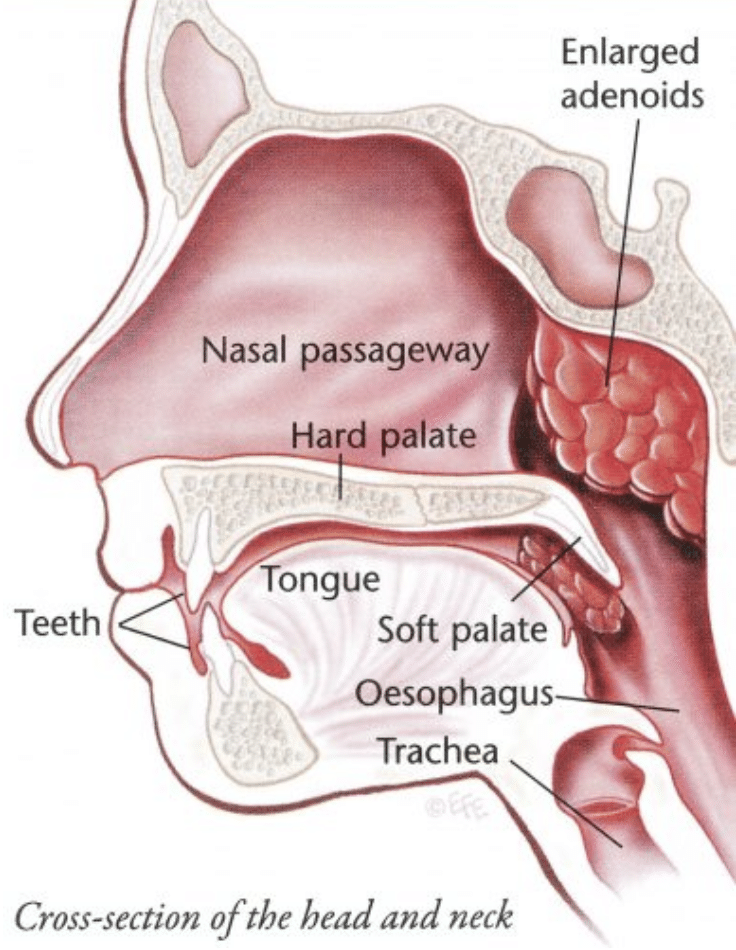
Adenoidectomy is a surgical procedure used to remove the adenoids, which are glands located at the back of the nose. Adenoids are part of the lymphatic system and play a role in the immune system. They produce antibodies to help fight infections, but they can sometimes become enlarged and cause health problems.
Adenoidectomy is typically performed on children between the ages of 1 and 7, although it can also be performed on adults. The surgery is performed under general anesthesia, and the patient is typically able to go home the same day.
Why is Adenoidectomy Performed?
Adenoidectomy is performed for a variety of reasons, including:
Breathing problems: Enlarged adenoids can block the airways and make it difficult to breathe through the nose. This can cause snoring, sleep apnea, and other breathing problems.
Recurrent ear infections: Enlarged adenoids can block the Eustachian tubes, which connect the middle ear to the back of the nose. This can lead to recurrent ear infections.
Sinus infections: Enlarged adenoids can block the sinuses, which can lead to sinus infections.
Chronic or recurrent tonsillitis: Adenoidectomy may be recommended in combination with tonsillectomy for children who have chronic or recurrent tonsillitis.
Cancer: In rare cases, adenoidectomy may be performed to remove cancerous adenoids.
denoidectomy is performed to treat a variety of health problems caused by enlarged adenoids, including breathing problems, ear infections, sinus infections, and chronic or recurrent tonsillitis. The procedure is typically performed under general anesthesia and involves the use of surgical instruments such as an adenotome.
The benefits of adenoidectomy include improved breathing, reduced ear infections, improved sleep, and improved quality of life. The risks include bleeding, infection, damage to surrounding tissue, changes in voice, and anesthesia risks.
The recovery period after adenoidectomy typically takes about 1 to 2 weeks, during which time patients may experience symptoms such as a sore throat, ear pain, bad breath, difficulty swallowing, and nasal congestion. It’s important to follow the doctor’s instructions for proper healing and to avoid strenuous activity and heavy lifting for at least 1 to 2 weeks after surgery.
Adenoidectomy is a common surgical procedure performed around the world, typically at hospitals and clinics. The cost of the procedure can vary depending on the country and hospital or clinic where it is performed. It’s important to choose a reputable hospital or clinic and experienced doctor to ensure a safe and successful procedure.
What are the Risks and Benefits of Adenoidectomy?
As with any surgical procedure, there are risks and benefits associated with adenoidectomy. The benefits of adenoidectomy include:
Improved breathing: Adenoidectomy can help improve breathing by removing the obstruction in the airways.
Reduced ear infections: Adenoidectomy can help reduce the number of ear infections by removing the blockage in the Eustachian tubes.
Improved sleep: Adenoidectomy can help improve sleep by reducing snoring and sleep apnea.
Improved quality of life: Adenoidectomy can improve the quality of life for children who have been experiencing health problems due to enlarged adenoids.
The risks of adenoidectomy include:
Bleeding: Adenoidectomy can cause bleeding, which may require additional treatment.
Infection: Any surgical procedure carries a risk of infection.
Damage to surrounding tissue: Adenoidectomy can damage surrounding tissue, such as the nasal septum.
Changes in voice: Adenoidectomy can cause changes in the voice, although this is rare.
Anesthesia risks: Adenoidectomy requires general anesthesia, which carries its own risks.
It’s important to discuss the risks and benefits of adenoidectomy with your doctor to determine whether the procedure is right for you or your child.
What is the Adenoidectomy Procedure Like?
Adenoidectomy is typically performed as an outpatient procedure, which means the patient can go home the same day. The surgery is performed under general anesthesia, so the patient will be asleep during the procedure.
During the procedure, the doctor will use a small instrument called an adenotome to remove the adenoids from the back of the nose. The adenotome is a spoon-shaped instrument that is inserted through the mouth and used to scrape or cut the adenoids away from the surrounding tissue.
After the adenoids have been removed, the patient will be monitored in a recovery room until the anesthesia wears off. Most patients are able to go home the same day, but some may need to stay overnight for observation.
How to Prepare Adenoidectomy Surgery?
Preparing for adenoidectomy surgery involves several steps to ensure a safe and successful procedure. Here are some general tips to help prepare for adenoidectomy surgery:
Consult with a doctor: It’s important to consult with a doctor to determine if adenoidectomy surgery is the best course of action and to discuss any potential risks or complications associated with the procedure.
Provide a complete medical history: Provide a complete medical history to the doctor, including any allergies, medications, and medical conditions, to help ensure a safe and successful procedure.
Follow pre-surgery instructions: Follow any pre-surgery instructions provided by the doctor or hospital, such as fasting or stopping certain medications before the procedure.
Arrange for transportation: Arrange for transportation to and from the hospital or clinic, as well as for someone to stay with you after the procedure if necessary.
Bring necessary items: Bring any necessary items to the hospital or clinic, such as comfortable clothing, toiletries, and any required paperwork or insurance information.
Prepare for post-surgery recovery: Prepare for the recovery period after surgery by following the doctor’s instructions for pain management, rest, and any necessary restrictions on activities or diet.
Address any concerns or questions: Address any concerns or questions with the doctor or healthcare team before the procedure to help alleviate anxiety and ensure a smooth and successful surgery.
By following these tips and working closely with a doctor and healthcare team, patients can help ensure a safe and successful adenoidectomy surgery.
Post Adenoidectomy Period
The post-adenoidectomy period refers to the recovery period after the surgery. It’s important to follow the doctor’s instructions for proper healing and to avoid complications. Here are some general tips to help during the post-adenoidectomy period:
Rest: Rest as much as possible for the first few days after surgery to allow your body to heal.
Pain management: Take any prescribed pain medications as directed by the doctor. Over-the-counter pain medications, such as acetaminophen or ibuprofen, may also be helpful.
Diet: Stick to a soft or liquid diet for the first few days after surgery to avoid irritating the throat. Avoid spicy or acidic foods, as well as hard or crunchy foods that can cause pain.
Hydration: Drink plenty of fluids to prevent dehydration and promote healing.
Avoid strenuous activity: Avoid strenuous activities, heavy lifting, and exercise for at least 1 to 2 weeks after surgery to prevent bleeding or other complications.
Follow-up appointments: Attend any follow-up appointments with the doctor to monitor healing and address any concerns or complications.
Monitor for complications: Monitor for any signs of complications, such as excessive bleeding, fever, or difficulty breathing, and contact the doctor immediately if any occur.
The recovery period after adenoidectomy typically takes about 1 to 2 weeks, during which time patients may experience symptoms such as a sore throat, ear pain, bad breath, difficulty swallowing, and nasal congestion. However, most patients can return to normal activities within a week or two after surgery.
By following these tips and working closely with the doctor, patients can help ensure a smooth and successful recovery after adenoidectomy surgery.
What is the Recovery Like After Adenoidectomy?
Recovery after adenoidectomy typically takes about 1 to 2 weeks. During this time, it’s important to follow your doctor’s instructions to ensure proper healing.
Some common symptoms after adenoidectomy include:
Sore throat: A sore throat is common after adenoidectomy and may last for several days.
Ear pain: Ear pain is also common after adenoidectomy, especially if the Eustachian tubes were blocked.
Bad breath: Bad breath is common after adenoidectomy due to the healing process.
Difficulty swallowing: Difficulty swallowing may occur for a few days after adenoidectomy.
Nasal congestion: Nasal congestion may occur for a few days after adenoidectomy.
It’s important to avoid strenuous activity and heavy lifting for at least 1 to 2 weeks after adenoidectomy. You should also avoid blowing your nose, as this can increase the risk of bleeding. Your doctor may also recommend using saline nasal spray to help keep the nasal passages moist and prevent infection.
When Can I Return to Normal Activities After Adenoidectomy?
Most patients can return to normal activities within a week or two after adenoidectomy, but it’s important to follow your doctor’s instructions. You should avoid strenuous activity and heavy lifting for at least 1 to 2 weeks after surgery.
You should also avoid contact sports for at least 2 weeks after adenoidectomy to reduce the risk of injury. If you or your child participates in sports, it’s important to discuss a plan for returning to activity with your doctor.
It’s also important to keep the nasal passages moist after adenoidectomy to promote healing and prevent infection. Your doctor may recommend using saline nasal spray or a humidifier to help keep the air moist.
Conclusion
Adenoidectomy is a surgical procedure used to remove the adenoids, which are glands located at the back of the nose. The procedure is typically performed on children between the ages of 1 and 7, although it can also be performed on adults.
Adenoidectomy is performed for a variety of reasons, including breathing problems, recurrent ear infections, sinus infections, chronic or recurrent tonsillitis, and cancer. The benefits of adenoidectomy include improved breathing, reduced ear infections, improved sleep, and improved quality of life.
As with any surgical procedure, there are risks and benefits associated with adenoidectomy. The risks include bleeding, infection, damage to surrounding tissue, changes in voice, and anesthesia risks.
Recovery after adenoidectomy typically takes about 1 to 2 weeks, and it’s important to follow your doctor’s instructions to ensure proper healing. Most patients can return to normal activities within a week or two after surgery, but it’s important to avoid strenuous activity and heavy lifting for at least 1 to 2 weeks after surgery.
If you or your child is experiencing health problems due to enlarged adenoids, it’s important to talk to your doctor about whether adenoidectomy is right for you. Your doctor can help you weigh the risks and benefits of the procedure and develop a plan for proper healing and recovery.
Adenoidectomy in Turkey
Adenoidectomy is a common surgical procedure performed in Turkey, as it is in many other countries around the world. Turkey has a well-developed healthcare system with modern medical facilities and experienced doctors who perform a wide range of surgical procedures, including adenoidectomy.
Patients in Turkey can undergo adenoidectomy at both public and private hospitals and clinics. Private hospitals in Turkey typically offer more luxurious amenities and personalized care, but may also be more expensive than public hospitals.
The cost of adenoidectomy in Turkey can vary depending on the hospital or clinic, the doctor performing the procedure, and the patient’s individual needs. However, compared to many other countries, the cost of medical procedures in Turkey is relatively affordable, which is one of the reasons why medical tourism in Turkey has become increasingly popular.
Patients who travel to Turkey for adenoidectomy can enjoy high-quality medical care, as well as the opportunity to explore Turkey’s rich culture and history. However, it’s important to do research and choose a reputable hospital or clinic and experienced doctor to ensure a safe and successful procedure.
If you’re considering adenoidectomy in Turkey, it’s recommended to consult with a medical tourism agency or travel agent who can help you navigate the process and make arrangements for your travel, accommodation, and medical care.
Adenoidectomy Cost
The cost of adenoidectomy surgery can vary depending on a variety of factors, including the country and region where the procedure is performed, the specific hospital or clinic where the surgery is performed, the experience and skill of the surgeon, the type of anesthesia used, and any additional fees or expenses related to the surgery, such as medications or follow-up appointments.
In general, the cost of adenoidectomy surgery can be relatively affordable compared to other types of surgical procedures. The cost can range from a few hundred to several thousand dollars, depending on the factors mentioned above.
The cost of adenoidectomy surgery may also be covered by health insurance, depending on the individual’s specific insurance plan and the reason for the surgery. It’s important to check with the insurance provider to determine the specific coverage and any out-of-pocket expenses that may be required.
In some cases, patients may choose to travel to another country for adenoidectomy surgery to save money on the procedure. This is known as medical tourism and can be a viable option for patients who are seeking affordable healthcare. However, it’s important to do research and choose a reputable hospital or clinic and experienced doctor to ensure a safe and successful procedure.
Overall, the cost of adenoidectomy surgery can vary depending on a variety of factors, but it can be relatively affordable compared to other types of surgical procedures. It’s important to check with the individual hospital or clinic, the surgeon, and the insurance provider to determine the specific cost and any coverage options.
Adenoidectomy Cost in Turkey
The cost of adenoidectomy surgery in Turkey can vary depending on a variety of factors, such as the specific hospital or clinic, the experience and skill of the surgeon, and the type of anesthesia used. However, in general, the cost of medical procedures in Turkey tends to be relatively affordable compared to many other countries.
The cost of adenoidectomy surgery in Turkey can range from a few hundred to several thousand dollars, depending on the specific factors mentioned above. Private hospitals and clinics in Turkey may charge higher prices than public hospitals, but may also offer more luxurious amenities and personalized care.
In addition to the cost of the surgery itself, patients may need to consider additional expenses such as travel, accommodation, and any necessary pre- or post-operative appointments or tests.
Many hospitals and clinics in Turkey offer medical tourism packages for patients seeking affordable healthcare. These packages may include not only the cost of the surgery, but also travel and accommodation arrangements, as well as language translation services and assistance with navigating the healthcare system in Turkey.
It’s important to do research and choose a reputable hospital or clinic and experienced surgeon to ensure a safe and successful procedure. Patients may also want to check with their insurance provider to determine if the cost of the surgery is covered under their policy or if they have any out-of-pocket expenses.
Overall, the cost of adenoidectomy surgery in Turkey can vary depending on a variety of factors, but is generally considered to be relatively affordable compared to many other countries.
Travelling to Turkey for ENT surgery? NexWell provides international patients with verified JCI hospital access, English-speaking coordinators, and fully managed medical stays — from first inquiry to post-treatment discharge.
Ready to Discuss Your Treatment?
Contact Prof. Dr. Renda directly for a free, personalised consultation. We respond within 24 hours.